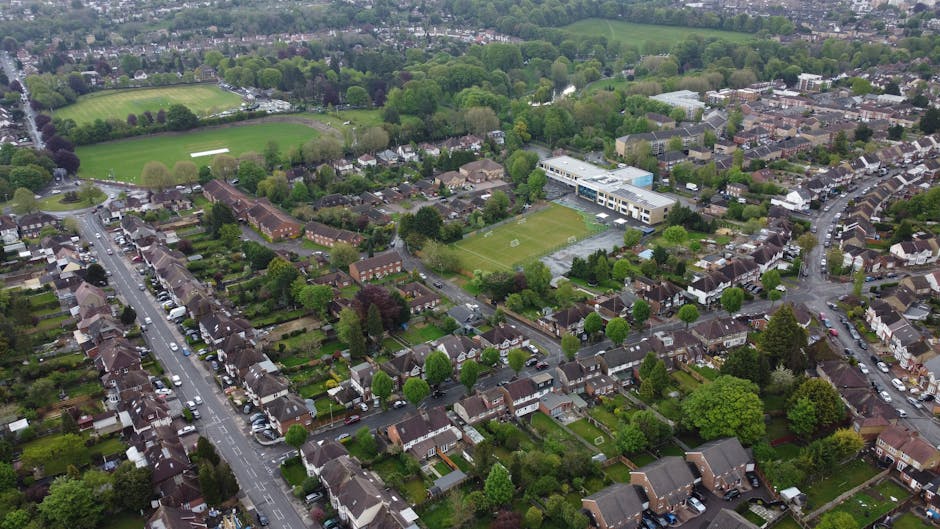
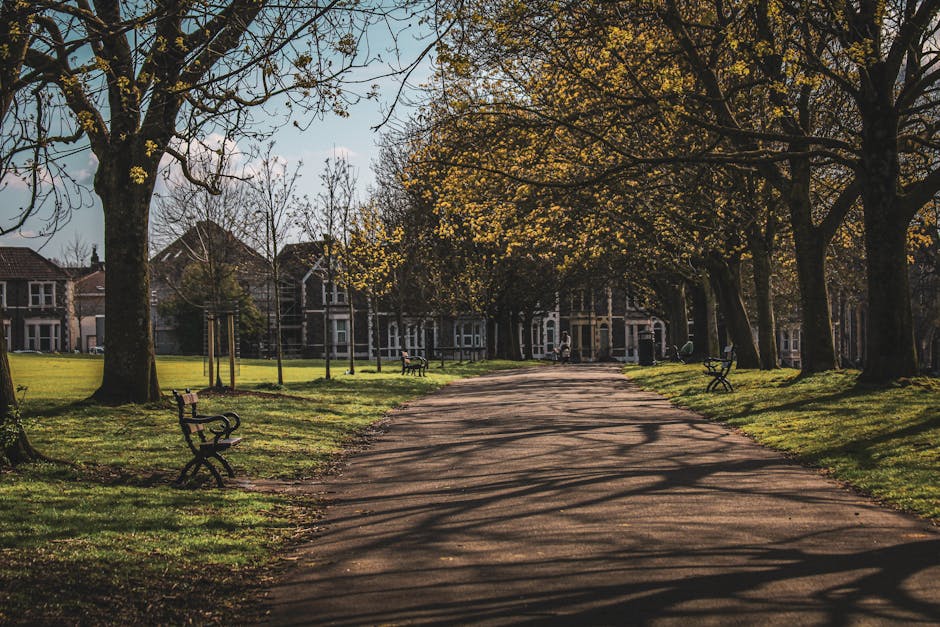
Stockwell Park Estate gardeners for communal green space: a practical guide to keeping shared gardens healthy, tidy, and welcoming
If you manage or live around a shared estate garden, you already know the pattern: one week the grass looks fine, then a bit of rain, a few missed cutbacks, a windy day, and suddenly the whole space feels less cared for. Stockwell Park Estate gardeners for communal green space are there to keep that from happening. This guide explains what good communal garden care actually involves, why it matters, how it works in practice, and what to look for when choosing a service that can handle the real-world messiness of shared outdoor spaces.
Whether the green space is a courtyard, a strip of lawn between buildings, a planted verge, or a bigger shared garden used by residents day to day, the aim is the same: safe access, healthy planting, tidy boundaries, and a place people feel proud of. Not just presentable for five minutes after a cut, but genuinely looked after.
Table of Contents
- Why Stockwell Park Estate gardeners for communal green space Matters
- How Stockwell Park Estate gardeners for communal green space Works
- Key Benefits and Practical Advantages
- Who This Is For and When It Makes Sense
- Step-by-Step Guidance
- Expert Tips for Better Results
- Common Mistakes to Avoid
- Tools, Resources and Recommendations
- Law, Compliance, Standards, or Best Practice
- Options, Methods, or Comparison Table
- Case Study or Real-World Example
- Practical Checklist
- Conclusion
- Frequently Asked Questions
Why Stockwell Park Estate gardeners for communal green space Matters
Communal green spaces carry more pressure than private gardens. They are used more often, by more people, with more varied expectations. One resident wants neat edges. Another wants pollinator-friendly planting. Someone else just wants a clear path that does not get slippery after rain. That blend of needs is exactly why professional estate gardeners are so useful.
A well-kept communal garden does a few jobs at once. It improves first impressions, supports everyday use, and reduces the slow decline that shared areas can suffer when nobody feels fully responsible. You notice the difference quickly. A border starts to spill over. Litter gathers by the hedge. The lawn gets patchy because people walk across the same route. Before long, the space feels tired, even if it was only a little behind on maintenance.
That is the real value of steady garden care: it keeps small issues small. It also helps residents feel that someone is paying attention, which sounds simple, but it matters. People tend to treat a cared-for space with a bit more care themselves. Funny how that works, really.
For estates, blocks, resident associations, housing providers, and managing agents, communal planting and lawn care also influence how people use the site. A tidy shared space can encourage quiet use, informal socialising, and more positive day-to-day living. A neglected one does the opposite. Not dramatic. Just gradually less pleasant.
How Stockwell Park Estate gardeners for communal green space Works
Good communal garden maintenance is rarely one big job. It is a repeatable process built around seasonal needs, resident access, and the specific layout of the site. A typical service starts with a site walk-through so the gardener can understand the size of the space, the condition of the planting, any hazards, and how the area is used.
From there, the work is usually planned around a maintenance schedule. That may include routine grass cutting, hedge trimming, pruning, weeding, leaf clearance, litter picking, edging, plant care, and occasional seasonal refreshes. For larger estates, there may also be more involved work such as shrub reshaping, replanting tired beds, or clearing unused corners that have become cluttered.
In practice, the best approach is a calm one. Gardeners do not just "cut and go". They adjust the work to the site. For example, a communal lawn used by children may need a different mowing height and edge treatment from a decorative lawn that mainly frames a building entrance. A shaded bed behind a block may need different planting care from a sunny frontage that dries out by midday in summer.
Where needed, services can be broadened through regular garden maintenance, lawn mowing, hedge trimming, and garden clearance. For estates looking beyond basic upkeep, landscaping and landscape gardening can help rework problem areas so the space is easier to maintain in the first place.
Key Benefits and Practical Advantages
There are the obvious benefits, and then there are the ones people only notice once the service is in place for a while. The obvious ones are straightforward: a cleaner, greener, more orderly communal space. But the longer-term gains are often where the real value sits.
- Better presentation: tidy lawns, controlled hedges, and neat borders make the entire estate look more cared for.
- Safer movement: clear paths, reduced overgrowth, and regular litter checks help residents and visitors move around more easily.
- Healthier planting: shrubs and beds that are pruned at the right time usually recover better and grow more evenly.
- Fewer nuisance issues: routine attention can reduce problems caused by weeds, self-seeding growth, blocked sightlines, or rubbish build-up.
- Less reactive spending: regular work often prevents the more expensive, disruptive jobs that come after a long period of neglect.
- Better resident satisfaction: people notice when shared spaces feel looked after. They may not say much, but they notice.
A helpful way to think about it is this: communal green space is like the shared hallway of the outdoors. If it is neglected, everyone feels it. If it is maintained well, nobody has to think about it much at all. And that is a good thing.
Expert summary: the best communal garden care is consistent, site-specific, and low-drama. It keeps the space usable without overcomplicating it, and it leaves room for planting to improve over time rather than slowly giving up.
Who This Is For and When It Makes Sense
This kind of service is a good fit for anyone responsible for shared outdoor space in or around Stockwell Park Estate. That includes resident-managed blocks, landlords, housing associations, property managers, caretakers, leaseholder groups, and private estates with communal planting or lawns.
It makes particular sense when one or more of these situations apply:
- The green space is used regularly but nobody has a clear maintenance owner.
- The area looks uneven because work is done sporadically rather than on a schedule.
- Residents have raised concerns about appearance, weeds, safety, or overgrown access routes.
- The planting is healthy in parts but getting messy, thin, or hard to manage.
- There are seasonal problems such as leaf fall, rapid summer growth, or winter debris.
- The site needs a more coordinated approach than a one-off cut.
Sometimes the trigger is simply a change in expectations. A communal garden that was "fine for now" a year ago may no longer feel fine once more families move in, or once the place starts being used more intensively. Truth be told, a lot of estate garden work starts because someone finally gets fed up with looking at the same brambles every morning.
If you are trying to understand the wider service picture before making a decision, the services overview is a useful place to orient yourself, and the team's about us page can help you judge whether their approach sounds practical and resident-friendly.
Step-by-Step Guidance
If you are planning garden care for a communal site, a simple process works best. Not flashy. Just methodical.
- Assess the space properly. Walk the site and note lawn condition, hedge growth, access points, trip hazards, drainage issues, and areas people use most.
- Decide what needs regular attention. Separate recurring tasks from one-off work. For example, mowing and edging may be routine, while bed renovation might be seasonal.
- Set priorities. Safety and access should come first. Overgrown entrances, slippery routes, and blocked sightlines are usually the first things to deal with.
- Create a maintenance rhythm. Weekly, fortnightly, or monthly visits may suit different estates. The right rhythm depends on growth rate, usage, and budget.
- Agree on standards. Be clear about what "tidy" means. A missed detail can create frustration later if expectations were never defined.
- Build in seasonal work. Spring and autumn usually need more than basic upkeep. That is when pruning, leaf clearance, and cut-back work often become necessary.
- Review and adjust. After a few visits, look at what is working. If a border is always messy, maybe it needs a different planting approach rather than just more labour.
A small but important detail: shared spaces work best when maintenance is predictable. Residents may not remember every visit, but they do remember inconsistency. One week the place is pristine, the next week it is a bit scruffy. That inconsistency is what makes people lose confidence.
Expert Tips for Better Results
After enough rounds of estate maintenance, you start seeing the same patterns. Here are the things that tend to make the biggest difference.
- Match the mowing pattern to use: a heavily used communal lawn should not be scalped just for appearance. Keeping the grass at a sensible height is usually better for resilience.
- Do the small edges properly: crisp edges around paths and beds quietly improve the whole site. They take time, but they matter.
- Watch for hidden hotspots: corners behind bins, fences, and access gates often gather weeds and waste faster than open spaces.
- Plan for leaf season early: once autumn starts dropping leaves, a weekly tidy-up can save a lot of slippage and decay later on.
- Prune for structure, not just reduction: with shrubs and hedges, the aim is usually to keep shape, access, and health in balance.
- Leave the space slightly better than you found it: tiny improvements add up. A cleared drain edge, a better path line, a fixed border. Easy to miss, but they build confidence.
One more thing: if a communal area has become cluttered or partly abandoned, start with a proper reset rather than trying to maintain the mess. A bit like cleaning a kitchen before you start cooking. Obvious, yes. Still overlooked all the time.
For projects that need more than routine care, a combination of tree lopping and removal, selective planting changes, and careful landscaping can transform problem spots without making the space feel overdesigned.
Common Mistakes to Avoid
Communal green space goes wrong in predictable ways, and most of them are avoidable.
- Leaving maintenance until it looks urgent: by then the job is bigger, more awkward, and usually more expensive.
- Using a one-size-fits-all plan: different areas of the estate will need different attention. The sunny front lawn and the shaded side border are not the same beast.
- Ignoring resident flow: if people are already walking across a pathless patch, the layout may need adjusting, not just more mowing.
- Focusing only on visible areas: tucked-away corners can become the source of most complaints.
- Overpruning hedges or shrubs: a heavy-handed cut can leave a space looking bare and stressed for a long time.
- Skipping seasonal clean-ups: spring and autumn usually bring the jobs that keep everything else manageable.
There is also the social side. If residents do not know what is being maintained, or why certain work is happening, they may assume things are being missed. That is where clear communication helps. Not complicated communication. Just enough so people know the site is being managed with purpose.
Tools, Resources and Recommendations
For communal garden work, the right tools matter, but so does the right approach. You do not need a van full of clever gadgets. You need the basics used well and safely.
Common equipment typically includes professional mowers, hedge cutters, strimmers, hand tools for edging and pruning, leaf collection equipment, and safe removal or disposal arrangements for green waste. On larger or more complex sites, access equipment and specialist handling may be required for taller shrubs or tree work.
It also helps to use a simple site record. Nothing fancy. A basic log of visit dates, seasonal tasks, and any recurring issues can be incredibly useful, especially if the estate changes hands or a committee rotates. A note like "north border weeds return after heavy rain" sounds small, but it makes future planning much easier.
Where environmental care matters to the estate, the company's recycling and sustainability approach is worth reviewing. Green waste handling, reuse where sensible, and responsible disposal all matter more than people sometimes think. And while it is not glamorous, it says a lot about the professionalism of the service.
If you want to compare budgets and plan properly, the pricing and quotes page can help you understand how to approach scoping, while the contact us page is the natural next step if you need to discuss the estate layout or service frequency.
Law, Compliance, Standards, or Best Practice
For communal green spaces, the main compliance concerns are usually practical rather than theatrical. Safety, access, liability, and site management tend to matter most. In UK settings, it is sensible to expect contractors to work in line with recognised health and safety practice, use suitable equipment, and manage risks around trip hazards, falling debris, and moving machinery.
If trees are involved, extra care is sensible. Tree work may require more specialist judgement, especially where branches overhang paths, parking areas, or buildings. In shared estates, it is also wise to think about neighbours, timing, and noise. Nobody loves a surprise hedge cut at eight in the morning on a Saturday. Let's be honest.
Good practice usually includes:
- clear site access arrangements
- risk awareness around residents and visitors
- appropriate insurance for the work undertaken
- careful handling of debris and green waste
- respect for boundaries, privacy, and shared amenities
- consistent communication about scheduled visits
It is also sensible to ask how the contractor handles safety documentation, environmental disposal, and complaints if something goes wrong. The relevant pages on health and safety policy, insurance and safety, and complaints procedure help set expectations in a straightforward way. For public-facing or multi-user estates, that clarity is worth its weight in time saved.
Options, Methods, or Comparison Table
Different estates need different kinds of support. Some just need tidy, recurring upkeep. Others need a more hands-on redesign of problem areas. The comparison below shows how those approaches differ in practice.
| Approach | Best for | Strengths | Limitations |
|---|---|---|---|
| Routine maintenance | Well-kept communal lawns, borders, and hedges | Predictable, tidy, easy to plan | Won't fix deeper layout or planting problems |
| Clearance-led work | Overgrown or neglected shared spaces | Fast reset, removes clutter and unsafe growth | May need follow-up maintenance to hold the standard |
| Landscape improvements | Spaces that are functional but awkward or hard to keep neat | Can reduce future maintenance burden | Needs more planning and usually a bigger budget |
| Targeted specialist work | Hedges, trees, decking, or specific problem areas | Good for technical or higher-risk tasks | Usually part of a wider plan rather than a full solution |
As a rule, the best estates do not rely on just one method forever. They move between clearance, repair, and routine maintenance as the site changes. That flexibility is what keeps the place healthy instead of merely serviceable.
Case Study or Real-World Example
Imagine a small communal garden on an estate: a narrow lawn, two hedge lines, a bed near the entrance, and a path that residents use to reach the bins and side gate. At first glance it seems simple. In reality, it is a classic "small space, lots of pressure" problem.
After a wet spring, the lawn starts to thin where people cut across the same section. The hedge near the path gets uneven because it is only trimmed when it becomes visibly awkward. Leaves pile up near the back fence in autumn, and the bed by the entrance looks tired because weeds are removed late rather than early. Nothing is catastrophic. It just starts to feel a bit unloved.
The fix is not dramatic. A proper reset includes a tidy clearance, a scheduled mowing cycle, hedge shaping, a better edging routine, and a seasonal review of the bed planting. If the back corner is always a magnet for weeds and waste, it may need a different planting approach altogether, or perhaps a more practical hardscape solution.
Within a few cycles, the whole tone of the space changes. Residents stop stepping around obvious mess. The entrance feels calmer. The path looks wider. And because the work is regular, nobody has to shout about it every month. Which, frankly, is the dream.
Practical Checklist
Use this simple checklist when planning or reviewing communal garden care for an estate.
- Walk the whole site, not just the obvious front section.
- Identify safety issues, trip hazards, and access problems first.
- Separate routine maintenance from one-off restoration work.
- Check whether mowing, hedge trimming, and clearance need a fixed schedule.
- Review planting areas for shade, dryness, wear, or recurring weed pressure.
- Confirm how green waste will be removed or recycled.
- Ask what happens during bad weather or seasonal growth spikes.
- Make sure communication with residents or managers is clear.
- Review insurance, safety, and any site rules before work starts.
- Set a realistic standard that keeps the estate tidy without chasing perfection.
If you want a broader sense of how the site can be supported over time, you can also look at the provider's services overview alongside the maintenance plan. That usually gives a better picture than focusing on a single task in isolation.
Get a free quote today and see how much you can save.
Conclusion
Stockwell Park Estate gardeners for communal green space do more than keep things neat. They help shared areas work properly for the people who live there, move through them, and look at them every day. That means regular care, thoughtful planning, and a willingness to deal with small issues before they turn into the kind of thing everyone complains about.
The best results come from steady maintenance, realistic standards, and an approach that respects the site as a lived-in place rather than a decorative afterthought. When that happens, a communal green space feels less like a task and more like part of the estate's character. And that is worth looking after.
When a shared garden feels calm, tidy, and genuinely cared for, the whole place lifts a little. That matters more than most people think.
Frequently Asked Questions
What do Stockwell Park Estate gardeners for communal green space usually do?
They usually handle routine upkeep such as mowing, hedge trimming, weeding, edging, clearance, and seasonal tidying. Depending on the site, they may also help with planting improvements and more technical work.
How often should a communal green space be maintained?
That depends on the size of the site, how quickly things grow, and how much the area is used. Many estates benefit from regular visits rather than occasional large jobs, because it keeps the space stable and easier to manage.
Is communal garden care different from private garden maintenance?
Yes, quite a bit. Shared spaces need more attention to access, resident safety, consistency, and communication. You are not just maintaining plants; you are managing a shared environment.
What are the biggest signs that an estate garden needs help?
Common signs include overgrown hedges, patchy lawns, weeds returning quickly, blocked paths, litter build-up, and planting areas that look tired or unmanaged. If residents keep mentioning the same issues, that is usually a clue too.
Can gardeners help with both maintenance and redesign?
Yes. Many communal spaces start with maintenance, then move into targeted improvements once the site is under control. Sometimes a small landscaping change can make future upkeep much easier.
Do communal green spaces need seasonal work?
They usually do. Spring often brings rapid growth, summer can expose dry or worn areas, and autumn brings leaf fall and more debris. A seasonal approach keeps the space from drifting out of shape.
How do I choose between clearance and ongoing maintenance?
If the area is overgrown or neglected, clearance comes first. If it is already in reasonable condition and just needs to stay that way, ongoing maintenance is the better fit. In many cases, the right answer is a bit of both.
What should I ask before booking a communal garden service?
Ask how they handle access, green waste, safety, scheduling, and recurring issues on the site. It also helps to ask how they define the scope of work so there are no awkward surprises later.
Are hedges and trees included in communal garden care?
They can be, depending on the service arrangement. Hedge trimming is a common part of estate maintenance, while tree work may need specialist attention if the job is larger or more complex.
How can we keep the estate green space looking good between visits?
Keep pathways clear, report hazards early, avoid dumping waste in planting beds, and make sure residents know the maintenance schedule. Small habits make a bigger difference than people expect.
Is there a benefit to improving the layout as well as maintaining it?
Absolutely. Sometimes a space is hard to keep tidy because the layout fights against maintenance. Better path lines, simpler planting, or a more practical edge can save time every month.
Where should I start if the communal green space has been neglected for a while?
Start with a site assessment and a clearance-led reset. Once the area is safe and visible again, it becomes much easier to build a proper maintenance routine. That first step can feel like a relief, honestly.