South Lambeth Road gardeners quick tidy and clearance
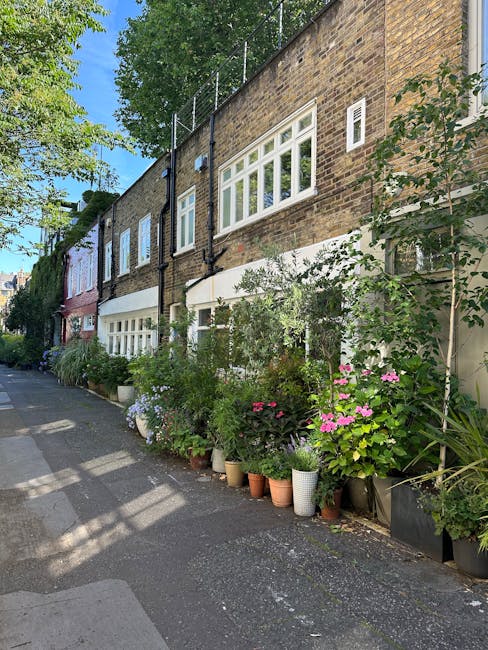
If your outdoor space has got away from you a bit, you are not alone. A fast tidy can turn a messy front garden, tired courtyard, or overgrown back patch into something usable again without making a huge production out of it. That is really the heart of South Lambeth Road gardeners quick tidy and clearance: a practical, efficient service for bringing order back to a garden that needs attention now, not next month.
It might be leaves piling up by the fence, brambles creeping into paths, bins hidden behind forgotten pots, or a lawn that has gone from "a bit long" to "where did the grass end and the garden begin?" The right approach is usually simple, tidy, and focused. In this guide, we will look at what a quick tidy and clearance actually involves, who it helps, how the process works, what to expect, and how to avoid the common mistakes that waste time and money. If you want a broader look at ongoing upkeep too, it can help to compare this with garden maintenance and the wider services overview.
Truth be told, most people do not need a full landscape redesign when they first call for help. They need the garden made safe, presentable, and manageable again. That is the sweet spot.
Quick summary: a garden tidy and clearance is best for overgrown, cluttered, or neglected spaces that need a same-day style reset, often as a one-off before guests, moving out, letting a property, or just reclaiming the space for normal life.
Why South Lambeth Road gardeners quick tidy and clearance Matters
A quick tidy and clearance matters because gardens slip from "fine" to "problem" surprisingly fast. A windy week, a few wet weekends, a burst of growth in spring, and suddenly there are piles of cuttings, blocked access, and a general sense of mild defeat. We have all seen it. The space still exists, of course, but it stops feeling like a place you want to use.
For homes near busy London roads, keeping the garden neat also has a practical side. A tidy frontage helps with kerb appeal, makes access easier for bins, deliveries, pushchairs, or bikes, and reduces the risk of trips caused by debris, uneven growth, or hidden clutter. For landlords and managing agents, it can be the difference between a property looking cared for or ignored.
There is also the emotional bit, and it is real. People walk outside, glance at the mess, and feel they should "deal with it later". Later turns into weeks. Then the job feels bigger than it is. A quick clearance breaks that loop. It gives you a reset point. A decent one can change how the whole property feels by lunchtime.
If the garden has become more than a tidy-up job, a dedicated garden clearance service may be more appropriate than standard upkeep, especially where waste needs removing rather than just cutting back.
Expert view: the value of a quick tidy is not only in how the garden looks at the end. It is in how quickly it turns a stressful, unused area back into something safe, accessible, and manageable.
How South Lambeth Road gardeners quick tidy and clearance Works
In practice, a quick tidy and clearance is usually a focused visit with a clear outcome in mind. The aim is not to redesign the garden. It is to remove the immediate mess, cut back growth, collect and bag waste, and leave the area neat enough for normal use or for a more considered follow-up later.
A typical visit may include:
- clearing leaves, twigs, and garden debris
- cutting back overgrowth around paths, steps, and boundaries
- removing weeds from visible areas
- tidying borders and beds
- bagging or loading green waste
- basic pruning or trimming where appropriate
- light lawn attention if needed
- making access points safe and usable again
Some jobs are very straightforward. Others reveal the real issue halfway through: stacked pots, broken canes, old compost bags, or a hedge that has swallowed half a fence. That is why a good gardener will usually assess the space first, then work in a sensible order so the visible improvement happens quickly.
For example, cutting back the worst growth before collecting waste often creates room to move safely. Then the finish work can happen properly. Small detail, but it matters.
When the issue is more about general upkeep rather than an overgrown start point, ongoing maintenance may be the better fit after the initial clearance. If hedges are part of the problem, hedge trimming is often folded into the visit so the garden does not look half-done.
Key Benefits and Practical Advantages
The main benefit is obvious: the garden looks better. But the practical advantages go well beyond appearance, and people often notice them more after the job is done than before.
- Faster usable space: patios, paths, and seating areas become accessible again.
- Lower stress: a messy garden stops nagging at you every time you look out the window.
- Improved safety: fewer trip hazards, fewer hidden obstacles, cleaner access routes.
- Better property presentation: useful for lettings, sales, or simply keeping a home looking cared for.
- More efficient follow-up care: once the clutter is gone, routine maintenance becomes much easier.
- Clearer planning: you can see what the garden really needs next, rather than guessing through the overgrowth.
There is also a nice side effect: people start using the garden again. A cleared corner becomes a spot for a chair. A tidied path means the bin store is no longer a wrestling match. Little things, but they add up.
And let's be honest, a garden that looks under control tends to get looked after more. It is a lot easier to keep a space tidy once it has had a proper reset.
| Need | Quick tidy and clearance | More intensive work |
|---|---|---|
| Light overgrowth | Usually suitable | Not always necessary |
| Leaf and debris build-up | Ideal | Rarely needed |
| Long-term neglected garden | Useful first step | Often followed by deeper clearance or maintenance |
| Boundary or access obstruction | Often suitable | May need hedge, tree, or landscaping input |
| Garden layout issues | Not the main answer | Better suited to landscaping or landscape gardening |
Who This Is For and When It Makes Sense
This kind of service is for anyone who needs the garden brought back under control quickly, without a drawn-out project. It is especially useful in ordinary life moments where time is tight and the mess is building.
- Homeowners who want the garden usable again before visitors arrive, after bad weather, or after a busy stretch.
- Landlords and agents who need outdoor space presentable between tenancies or before viewings.
- Older residents who may find the physical work too much, especially with heavy waste or awkward cutting back.
- Busy families who simply need help getting on top of things.
- New property owners who have inherited a garden that needs a firm first clean-up.
- Businesses or rental properties with front gardens, courtyards, or access spaces that need to stay neat.
It makes sense when the job is mostly about visible mess, access, and immediate control. If the space needs structural changes, hard landscaping, or a broader redesign, then a clearance should probably be followed by more specialist planning. That is not a failure. It is just the right order of work.
Sometimes the decision is simple: if you can see the end of the job from the gate, a tidy is probably enough. If you cannot even see the gate, you may need a bigger clear-out first. A bit dramatic, yes, but useful.
Step-by-Step Guidance
Here is a sensible way to approach a quick tidy and clearance so you get the best result with the least faff.
- Walk the space first. Identify what is urgent: paths, steps, drains, fences, bins, seating, or access points.
- Separate waste from keepers. Decide what is green waste, what is general rubbish, and what should be stored or reused.
- Start with the worst access issues. Clear the route in and out, then the main working area. This makes everything else easier.
- Cut back before collecting. In many gardens, trimming overgrowth first creates a safer, cleaner workflow.
- Remove and bag waste as you go. Leaving it to the end can make the whole job feel bigger and messier.
- Finish with a visual reset. Rake, sweep, edge, and check for anything left behind. That final pass matters more than people think.
- Decide the next step. Once the garden is visible again, plan whether it needs maintenance, trimming, lawn work, or a more formal cleanup.
A decent tidy is all about sequence. The wrong order wastes energy. The right order makes the garden look transformed before the job is even fully finished.
If waste removal is likely to be significant, it is worth discussing disposal and recycling upfront. Services that care about responsible handling often explain this clearly, including any sorting or reuse of suitable green material. For more on that side of things, see recycling and sustainability.
Expert Tips for Better Results
A few small choices can make a quick tidy look much better and last longer. These are the bits that tend to separate a decent job from a genuinely satisfying one.
- Work from the outside in. It is easier to create a finished look when edges, entrances, and visible borders are cleaned first.
- Do not leave small debris behind. Tiny cuttings and fragments make a space look half-done, even after big waste is gone.
- Use the right cut on hedges and shrubs. A rough hack-back can leave the garden looking uneven for weeks.
- Check for hidden damage. Broken edging, rotten timber, or loose paving often becomes visible once clutter is removed.
- Think about seasonal timing. A spring or early summer tidy usually grows back quickly, so follow-up matters.
- Keep one area pristine. Even in a messy garden, a single cleared path or seating spot changes how the whole place feels.
One small human tip from experience: if you are unsure where to begin, start where you will feel the improvement immediately. That first visible win keeps momentum going. Sounds simple, because it is.
Another useful habit is to separate "needs trimming" from "needs removal". Not everything overgrown needs to be taken out. Some plants just need shape, not a goodbye speech.
Common Mistakes to Avoid
Most disappointing tidy-up results come from rushing, not from lack of effort. A few common mistakes show up again and again.
- Trying to do everything at once. A messy garden becomes more stressful when the plan is vague.
- Ignoring access routes. If paths, steps, or gates stay cluttered, the garden still feels unusable.
- Leaving waste in piles. It may look better temporarily, but it is not a proper finish.
- Cutting back too aggressively. Hard pruning without judgement can damage healthy plants and make the garden look harsh.
- Forgetting disposal. A tidy that leaves bags, cuttings, or rubble behind is only half a tidy.
- Not planning follow-up care. Without maintenance, a cleared garden can drift back into disorder faster than you expect.
There is also the classic mistake of underestimating weather. A warm, damp spell can make growth and waste volumes feel endless. You get everything looking great, then two weeks later it all appears to have had a cheeky comeback. Annoying, but normal.
Tools, Resources and Recommendations
The right tools make quick work possible, but the real skill is knowing which tool to use where. Not every garden task needs heavy equipment, and not every overgrowth should be attacked the same way.
Typical tools for tidy and clearance work may include:
- hedge trimmers for controlled cutting
- secateurs and loppers for smaller woody growth
- spades, rakes, and forks for debris and bed tidy-up
- leaf blowers or sweeping tools for final clearing
- bags, tubs, and loading gear for waste removal
- protective gloves, boots, and eye protection
For more substantial hedge work, it may be better to use a dedicated hedge trimming service rather than improvising with the wrong kit. If trees or larger branches are involved, tree lopping and removal becomes the safer route, especially where height, weight, or nearby structures are a concern.
If you are comparing providers, it is sensible to look at how they handle safety, waste, and communication. A company that explains the scope clearly, turns up prepared, and leaves the place tidy afterwards is usually worth more than someone who quotes quickly and hopes for the best. More people should say this out loud, frankly.
Law, Compliance, Standards, or Best Practice
Garden tidy and clearance work in the UK is not usually complicated legally, but good practice still matters. Waste should be handled responsibly, tools should be used safely, and any work involving height, power tools, or heavier cutting should be approached with care. If green waste is being removed, it should be managed in line with normal waste-handling expectations, and not simply dumped or mixed carelessly with other rubbish.
For homeowners, there is usually no special paperwork for a straightforward tidy. But if the work includes trees, access issues, or larger quantities of waste, it is wise to ask how the job will be carried out and whether any risks need to be managed on-site. If a provider is insured and clear about safety, that is a strong sign. It does not mean every job is risky; it means the basics are being taken seriously.
Good practice also includes respecting neighbouring properties. Noise, shared access, overhanging growth, and disposal routes can all become awkward in close London streets. A tidy job should feel considerate, not disruptive. That is just decent trade behaviour, really.
For reassurance on service standards and approach, some readers also like to review a company's insurance and safety information, especially when the work is more than a light sweep and prune. You can also look at the business background via the about us page to understand how they operate.
Options, Methods, or Comparison Table
Not every garden problem needs the same solution. Here is a simple comparison to help you choose the right type of service.
| Option | Best for | Typical result | When to choose it |
|---|---|---|---|
| Quick tidy | Light clutter, debris, surface mess | Neat, presentable, usable | When the garden mainly needs a fast visual reset |
| Quick clearance | Overgrowth, bulky waste, blocked access | Clear, safe, more open space | When waste and access are the main issues |
| Regular maintenance | Gardens that slip between visits | Controlled growth, steady presentation | When the garden needs ongoing care |
| Hedge and shrub work | Boundary and shape control | Cleaner lines, better structure | When the problem is growth management rather than debris |
| Landscaping or redesign | Poor layout, worn surfaces, long-term usability issues | Changed function and appearance | When tidying alone will not solve the core problem |
If the end goal is simply to get the garden back into good order, a tidy and clearance is usually the smartest starting point. If the end goal is a whole new look, then it is only the first step. That distinction saves people a lot of disappointment.
For properties where the outdoor area is structurally tired rather than just messy, a conversation around landscaping or landscape gardening can be the better long-term plan.
Case Study or Real-World Example
A fairly typical local scenario goes like this. A small rear garden has been left alone through a wet spell and a busy few months. The path is half hidden by fallen leaves. The side return has weeds, a couple of broken pots, and a pile of cuttings from a previous attempt at trimming back the shrubs. Nothing catastrophic. Just enough to make the space feel awkward every time the back door opens.
The first job is usually to clear access. Once the path is visible again, the rest of the work starts to make sense. The overhanging growth is cut back, the dead material is removed, and the waste is bagged rather than left in one big heap. By the end, the garden may still need planting or better border work later, but it is suddenly usable. A chair can go out. The bins can be reached properly. The whole place feels lighter.
That "lighter" feeling is not just aesthetic. People notice it. A small courtyard can go from apologetic to welcoming in a single visit. I know that sounds a bit simple, but it really is often the case.
If the job also involves paths, fencing lines, or other external features, it can make sense to review decking services or related improvements later, once the space has been cleared and you can actually see what needs doing.
Practical Checklist
Use this checklist before or after booking a quick tidy and clearance. It keeps the job focused and avoids the "we forgot that bit" moment.
- Identify the main problem areas: leaves, weeds, hedge growth, clutter, waste, or access.
- Decide what must be kept, cut, moved, or removed.
- Check whether any bulky waste, branches, or broken items need separate handling.
- Make sure gates and access points are clear enough for work to begin safely.
- Ask how waste will be taken away or recycled.
- Confirm whether hedge trimming, lawn mowing, or tree work is needed as part of the visit.
- Be clear about your priority: presentation, access, safety, or a bit of all three.
- Plan one follow-up visit or maintenance routine so the garden stays under control.
If you are preparing a property for sale, letting, or an important visit, add one more step: stand at the front gate and look at the garden as a newcomer would. It tells you very quickly what still needs attention.
Conclusion
South Lambeth Road gardeners quick tidy and clearance is about more than cleaning up a messy garden. It is a practical reset for spaces that have become awkward, overgrown, or just too much to manage on your own. Done well, it gives you safety, order, and breathing room. It also makes everything else easier, from routine maintenance to future improvements.
The best results come from clear priorities, sensible sequencing, and a realistic view of what needs doing now versus later. Sometimes a fast tidy is enough. Sometimes it is the first step before maintenance, hedge work, or a more substantial garden plan. Either way, getting control back is the point.
If you want the garden to feel usable again without unnecessary hassle, the smart move is to start with the reset and build from there. A small patch of order can change the whole feel of a home, and honestly, that is no small thing.
Get a free quote today and see how much you can save.
Frequently Asked Questions
What does a quick tidy and clearance usually include?
It usually covers leaf and debris removal, light to moderate overgrowth cutting, weed clearing, waste bagging, and a general reset of the garden so it looks neat and usable again.
How is this different from regular garden maintenance?
Maintenance is ongoing and keeps a garden in shape over time. A quick tidy and clearance is more of a one-off intervention when the space has got cluttered, overgrown, or out of hand.
Is this suitable for very overgrown gardens?
Yes, often as a first step. If the garden is heavily neglected, the tidy may need to be followed by a more thorough clearance or maintenance plan. Sometimes it is the only sensible way to begin.
Can a quick tidy help before selling or letting a property?
Absolutely. A clean, accessible garden improves presentation and helps the outdoor space feel cared for, which can make a real difference during viewings.
Do I need to prepare the garden before the gardeners arrive?
Not much. It helps to remove personal items, unlock access, and point out anything fragile or important, but the work itself is meant to reduce your workload, not add to it.
What happens to the garden waste?
That depends on the service, but it should be collected, bagged, and handled responsibly. If sustainability matters to you, ask how green waste is processed and separated.
Can hedge trimming be included in a tidy and clearance visit?
Often yes, if it is relevant to the job. If the hedge is part of what is making the garden feel blocked or untidy, trimming it can make a huge difference.
How long does a quick tidy usually take?
It varies a lot depending on the size and condition of the garden. A small courtyard may be fairly quick, while a neglected larger space can take much longer. There is no honest one-size-fits-all answer.
What should I ask before booking?
Ask what is included, how waste is removed, whether trimming or cutting back is covered, and whether the provider is insured. Clear expectations at the start save awkwardness later.
Is it better to book a one-off tidy or ongoing maintenance?
If the garden has simply slipped, a one-off tidy is a good start. If it keeps reverting every season, ongoing maintenance is usually the more practical long-term solution.
What if the garden also needs pruning or tree work?
If trees or large branches are involved, the job may need additional care. In those cases, a service such as tree lopping and removal may be more appropriate than a standard tidy alone.
How do I know if I need clearance rather than landscaping?
If the main issue is clutter, overgrowth, and waste, clearance is the right place to start. If the layout, surfaces, or structure of the garden are the problem, then landscaping may be the better option.
For service details, presentation, and next steps, you can also review pricing and quotes, or get to know the team through the about us page before you decide.
If you have questions about access or booking, the safest route is to make contact directly using the site's approved channels and explain what the garden looks like now, not what you hope it looks like. That little bit of honesty helps everyone.
And sometimes, once the first pile is gone and the path is visible again, the whole job feels easier. Funny how that works.