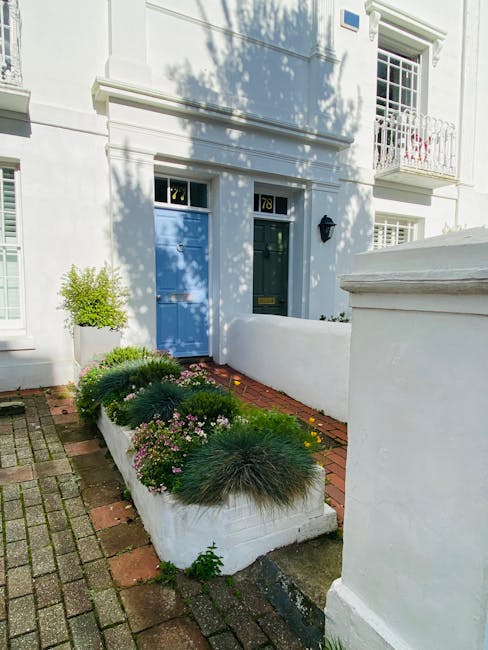
Clapham Road SW9 gardeners for narrow front gardens: practical ideas that actually work
Front gardens along Clapham Road in SW9 can be charming, but narrow ones are a different puzzle altogether. There is rarely much room to spare, the path needs to stay usable, and one oversized shrub can make the whole frontage feel cramped. That is where Clapham Road SW9 gardeners for narrow front gardens make a real difference. The right approach is not about cramming more in; it is about choosing the right plants, keeping lines clean, and making the space feel deliberate rather than squeezed.
If you have ever stood at the gate on a damp London morning and thought, "this could look so much better with just a bit of structure," you are in the right place. This guide breaks down how narrow front gardens are handled, what good garden care looks like in a tight space, and how to decide whether you need regular maintenance, a one-off tidy, or a more considered redesign. Along the way, you will also see where services such as garden maintenance, hedge trimming, lawn mowing, and even landscaping can fit into a narrow frontage plan.
Quick takeaway: narrow front gardens work best when every plant, edge, and surface earns its place. Keep access clear, use height carefully, and avoid anything that makes the space feel busy. Simple, really - though getting it right takes a bit of judgement.
Why Clapham Road SW9 gardeners for narrow front gardens Matters
A narrow front garden is one of those spaces that looks easy from the pavement and awkward from inside the gate. You are dealing with a small footprint, a fixed route to the house, often limited light, and the everyday wear of bins, bikes, parcel deliveries, foot traffic, and wet weather. In SW9, that mix can make even a tidy plot feel cluttered fast.
That is why local experience matters. Clapham Road properties often have front spaces that need a careful balance between appearance and practicality. A gardener who understands narrow frontage work will think differently from someone used to larger suburban plots. They will look at line of sight, moisture, access width, maintenance burden, and whether the layout helps or hinders daily life.
In plain English: a narrow front garden should not fight the house. It should frame it. It should guide the eye, keep mud under control, and make entry feel welcoming rather than awkward. You want something that looks neat at 8am on a weekday and still holds up after a rainy evening. That is the standard, and honestly it is a fair one.
There is also a practical value side to this. Small front gardens can become time-consuming if the planting is overcomplicated or the hard landscaping is not thought through. A compact bed with the wrong shrubs can create more pruning work than a larger garden. Likewise, a poorly chosen lawn strip can become a soggy patch that needs constant attention. Good gardeners reduce the burden, not add to it.
How Clapham Road SW9 gardeners for narrow front gardens Works
The work usually begins with a very simple question: what does this front garden need to do every day? For some homes, it needs to stay open and clean, with minimal planting. For others, it needs a little softness and privacy without blocking light or making the path feel squeezed. Narrow front garden care is more about editing than adding.
A sensible process often includes a quick assessment of:
- available width and access points
- sun and shade through the day
- drainage and soil condition
- existing planting height and spread
- how much maintenance the owner actually wants
- whether the space is mainly decorative, functional, or both
From there, a gardener may recommend pruning, lifting, reshaping, replacing high-maintenance plants, or introducing cleaner edging. In some cases, the best move is a simple maintenance plan using a broader services overview to pick the right mix of visits rather than trying to solve everything in one go.
A narrow frontage often benefits from layering in a controlled way. Low planting at the front, medium structure behind, and taller elements only where they will not block the view. You might see evergreen shrubs used sparingly, compact perennials for seasonal interest, and neat boundaries that do not spill onto the path. It sounds basic, but that is often the trick.
And yes, there is always the question of speed. Can a narrow front garden be transformed quickly? Sometimes. But the more realistic view is that lasting improvements come from steady, thoughtful changes. A fast tidy can help immediately; a better layout pays off for years.
Key Benefits and Practical Advantages
Well-managed narrow front gardens offer more than a prettier face to the street. The benefits are practical, visual, and, to be fair, a bit emotional too. You feel better arriving home when the entrance looks cared for. It gives a sense of order before you even unlock the door.
- Better kerb appeal: A compact frontage can look crisp and intentional with the right pruning and planting choices.
- Easier day-to-day use: Clear paths, no overhanging branches, and sensible edges make access safer and less frustrating.
- Lower maintenance: Replacing awkward planting with simpler structure can save hours over a season.
- Improved drainage and cleanliness: A tidy layout can reduce mud splash and keep soil where it belongs.
- More usable light and space: Lighter planting schemes and careful shaping can stop the garden from feeling boxed in.
A lot of people assume the best narrow front garden is the one with the most plants. Usually not. The better result is often the one that feels calm. A few well-chosen species, a clean edge, and maybe one focal point are often enough. Less fuss. More shape.
If the frontage is part of a larger property improvement plan, this is also where landscape gardening can help. It is not just about appearances; it is about making the site function better as a whole. That may mean better materials, improved layout, or a more durable planting approach.
Who This Is For and When It Makes Sense
This kind of gardening suits homeowners, landlords, and property managers who want a smarter front entrance without giving themselves a second job. It is especially relevant if your front garden is narrow enough that one poor choice stands out straight away. You know the sort of thing: a shrub that has quietly grown into the path, or a border that now looks more like a squeeze lane.
It makes sense if you want to:
- improve first impressions for visitors or buyers
- reduce time spent on upkeep
- make access safer and easier
- refresh a tired frontage without full redesign
- fix a garden that has become overgrown or unbalanced
It is also a good fit if you are preparing to rent, sell, or simply stop looking at the same untidy patch every time you leave the house. Truth be told, a front garden can become background noise for a while, then one day you notice it is dragging the whole property down. Happens all the time.
If the space has thicker hedging, blocked sightlines, or trees that are getting too dominant, it may be worth combining frontage work with tree lopping and removal or garden clearance to reset things before rebuilding the layout.
Step-by-Step Guidance
For narrow front gardens, the work is usually best approached in stages. Jumping straight to planting without sorting the structure is like putting new curtains up before fixing the window frame. It looks cheerful for a minute, then you notice the problem again.
- Measure the usable space. Not just the total width. Measure the actual walking line, gate swing, bin access, and any awkward corners.
- Identify what is causing the clutter. Is it too many plants, poor pruning, broken edging, weeds, or a surface that traps dirt?
- Decide the main function. Do you want privacy, visual softness, simple maintenance, or a bit of all three?
- Remove or reduce the worst offenders. This may include overgrown shrubs, self-seeded plants, or awkward containers that take up precious width.
- Rework the structure. Add cleaner borders, sharper edges, or a simpler planting rhythm.
- Choose plants that suit the space. Compact, resilient, and not too greedy with spread.
- Finish with maintenance planning. Set a realistic routine so the garden does not drift back into chaos by autumn.
A small but useful point: do not skip the maintenance stage. Narrow gardens show neglect quickly. One wet month and it can all look a bit sorry for itself. A regular plan through garden maintenance is often the difference between a neat frontage and a constant rescue job.
If you are not sure where to begin, start with the path. Clear the line, fix the edges, and make the entrance look open. Everything else becomes easier once that is sorted.
Expert Tips for Better Results
After a while, you notice that narrow front gardens in London respond best to restraint. That is probably the most useful tip of all. Restraint is not boring. It is what keeps a tiny space from feeling crowded.
- Use repetition, not clutter. Two or three repeated plants can look more polished than a mix of ten different ones.
- Keep the tallest growth away from the path. Even a healthy plant can feel invasive if it brushes past your shoulders.
- Pick surfaces that are easy to sweep. In a narrow front garden, debris shows up quickly, especially after rain.
- Think in vertical layers. Low, medium, and limited tall structure usually works better than a flat or overstuffed layout.
- Leave a little breathing room. Empty space is not wasted space. It helps the garden read properly.
If the frontage also needs hard landscaping or a more complete redesign, the right call may be to combine planting changes with landscaping. And if you want a more defined outdoor transition at the front or side, decking services can occasionally be part of a broader layout plan, though obviously only where it makes sense and does not eat up the whole space. Decking everywhere is not a magic fix. Sometimes it is just decking everywhere.
A final tip: photograph the garden before you start and again after pruning or clearing. It helps you see what has changed and stops you overfilling the space again later. A simple habit, but surprisingly useful.
Common Mistakes to Avoid
Narrow front gardens are unforgiving. Small mistakes are immediately visible, which is both annoying and helpful. Annoying when you are fixing them. Helpful once you know what to look for.
- Choosing plants for a large garden mindset. What looks graceful in a broad border can overwhelm a compact frontage.
- Ignoring mature size. The label size at purchase is not the size the plant will stay forever. It never is.
- Blocking access with decoration. Containers, ornaments, and feature stones can quickly become obstacles.
- Over-pruning into harsh shapes. A narrow front garden needs control, not a clipped look that feels stressed.
- Forgetting seasonal maintenance. What is tidy in spring can be wild by late summer if nobody is keeping an eye on it.
- Leaving failed plants in place. Dead patches make a small garden feel smaller.
Another common slip is trying to make every square inch "do something." That sounds efficient, but in practice it often makes the frontage feel busy and awkward. A calm, half-open layout usually works better.
If overgrowth is already the issue, a reset may be smarter than endless patching. In those cases, a professional clear-down first, then a lighter maintenance routine afterwards, tends to give the best long-term result.
Tools, Resources and Recommendations
You do not need a warehouse of equipment to keep a narrow front garden under control. A compact toolkit, used regularly, usually beats a huge kit that only comes out once a year. The basics matter.
- sharp secateurs for light pruning and deadheading
- long-handled shears for shaping hedges and shrubs
- a broom or stiff brush for paths and paving
- gloves that actually fit, because fiddly gloves are just irritating
- a bucket or trug for clippings and debris
- a simple measuring tape for checking width and spacing
For ongoing support, many people find it useful to work from a maintenance plan rather than responding only when the garden starts to look messy. That can include seasonal trimming, light pruning, edging, and occasional tidy-ups. If you want to understand the broader range of options, the services overview is a useful place to compare what is available, while pricing and quotes can help you think about scope before anything starts.
If your frontage includes waste, prunings, or a lot of old material, ask how recycling is handled. Responsible green waste management matters more than people sometimes think, and it is one of those details that tells you whether a service is properly organised. You can also look at recycling and sustainability if that side of the service is important to you.
Law, Compliance, Standards, or Best Practice
Front garden work in the UK is not usually complicated from a legal point of view, but there are still sensible standards to follow. The key things are safety, access, and respect for the property boundary. If a hedge, tree, or wall sits close to a pavement, it is worth being careful about height, encroachment, and visibility. No one wants a tidy garden that creates a trip hazard or awkward access issue.
For professional work, best practice normally includes:
- clear communication before pruning or removal
- safe use of tools and protective equipment
- keeping paths and entrances usable during the job
- checking whether larger tree work needs extra care
- disposing of waste responsibly
Insurance is another practical point, not a box-ticking exercise. If work is being done close to doors, paving, railings, or public access, it is sensible to ask how the team handles risk and liability. A reputable provider should be comfortable talking about this in plain terms. You can review insurance and safety and health and safety policy information if you want a better sense of working standards.
If there is any uncertainty about access, property lines, or plant removal, it is always better to pause and check rather than guess. That sounds obvious, but it saves hassle. And sometimes a little headache, too.
Options, Methods, or Comparison Table
Different narrow front gardens need different methods. The right choice depends on how much upkeep you want, how much structure you need, and how bold you want the frontage to feel. Here is a simple comparison to help you think it through.
| Approach | Best for | Pros | Trade-offs |
|---|---|---|---|
| Light tidy and regular maintenance | Already-decent narrow gardens | Low disruption, keeps things neat, easy to schedule | Won't fix deeper layout issues |
| Pruning and reshaping | Overgrown borders and hedges | Instant improvement, better access, clearer lines | Needs follow-up care to hold the shape |
| Clearance and reset | Very messy or tired front gardens | Creates a clean slate, easier to redesign | More work upfront, may feel stark at first |
| Full landscaping refresh | Frontages needing a long-term change | Best for structure, flow, and lasting value | Higher commitment and more planning |
For many Clapham Road front gardens, the sweet spot is somewhere between tidy maintenance and selective reshaping. Full redesign is not always needed. In fact, it often is not. A simple correction to the planting and access line can make the whole place feel twice as wide, which is a nice trick when it works.
Case Study or Real-World Example
Imagine a typical narrow SW9 front garden: a short path up to the door, a strip of border on one side, and a small area that used to hold shrubs but now feels crowded and a bit neglected. The owner wants it to look welcoming without turning into a maintenance burden. They also want to keep access easy for everyday use.
The first step is usually to remove the obvious clutter. Overgrown branches are cut back, weak plants are lifted out, and the path edge is cleaned up. Then the remaining planting is assessed. Maybe there are two shrubs that are still worth keeping, but they need reshaping so they stop leaning into the walkway. Perhaps the border needs a lower, simpler planting scheme with repeat structure instead of a mix of random plants.
Once that is done, the space starts to make sense. The entrance feels wider. The door is easier to see from the street. The whole frontage looks calmer on a wet November afternoon, which, let's face it, is when these things are most honestly judged.
What changed? Not a huge amount on paper. But the visual order improved, the maintenance demand dropped, and the garden stopped fighting the property. That is often the real goal for narrow front gardens: not drama, just better rhythm.
Practical Checklist
Use this checklist before starting any work on a narrow front garden. It keeps the process grounded and stops impulse decisions.
- Is the path clear and safe to use?
- Are any shrubs or hedges pushing into the walkway?
- Does the planting feel balanced, or just crowded?
- Are there any dead, damaged, or neglected plants that need removing?
- Is the garden easy to sweep and keep clean?
- Do the plants suit the light and moisture conditions?
- Is there a realistic maintenance routine for the next six months?
- Would a clearance, prune, or full refresh make more sense?
- Have you thought about waste removal and recycling?
- Do you know what outcome you want: tidy, softer, greener, or more structured?
Helpful rule of thumb: if a plant, pot, or feature makes the garden harder to walk through, clean, or maintain, it probably needs to go or move. Not always. But usually.
Get a free quote today and see how much you can save.
Conclusion
Clapham Road SW9 gardeners for narrow front gardens are not just there to make things look neat for a day. The real value is in turning a tight, awkward frontage into a space that feels considered, manageable, and welcoming. In a small front garden, every choice matters a bit more, which is why restraint, structure, and practical maintenance are so important.
Whether your garden needs a light tidy, a fresh maintenance plan, or a fuller reset, the goal is the same: create a frontage that works for daily life and still looks good when you glance at it from the street. That balance is absolutely possible, and once it is in place, you notice the difference every time you come home.
For anyone weighing up their next step, start with what the space actually needs, not what you wish it had room for. That one shift in thinking makes narrow gardens much easier to get right. And when they are right, they really do feel better.
Frequently Asked Questions
What do Clapham Road SW9 gardeners for narrow front gardens usually help with?
They usually help with pruning, clearing, reshaping, planting decisions, edging, and general maintenance tailored to a small frontage. The focus is usually on making the space easier to use and less crowded.
How often should a narrow front garden be maintained?
That depends on the planting and how much growth you have, but narrow front gardens often benefit from regular attention rather than one-off fixes. A modest, consistent routine usually works better than waiting for things to get overgrown.
Can a narrow front garden still look attractive without much planting?
Yes, absolutely. A narrow frontage can look very smart with just a few well-placed plants, good edging, and clean surfaces. In fact, less planting often makes the space feel more spacious and calm.
What is the biggest mistake people make with narrow front gardens?
Probably choosing plants that are too large or letting growth spill into the access path. In a small space, that quickly makes the garden feel cramped and awkward to use.
Is garden clearance useful before redesigning a narrow front garden?
Yes. If the space is overgrown or cluttered, clearance can give you a clean slate and make it easier to see what should stay, what should go, and what the garden actually needs.
Do narrow front gardens need special plants?
They do not need exotic plants, but they do need sensible ones: compact, resilient, and suited to the light and soil conditions. Plants that stay neat without constant control are usually the best choice.
Can landscaping help if the front garden feels too tight?
Yes. Careful landscaping can improve the layout, create better flow, and make a narrow garden feel more balanced. It is especially useful when the issue is not just planting, but the overall shape and structure of the space.
What should I ask before booking a gardener for a narrow frontage?
Ask what they recommend for your space, how they handle waste, whether they can help with maintenance after the initial work, and whether they are comfortable working safely around paths, steps, and entrances. Those are the practical questions that matter.
How do I keep a narrow front garden tidy between visits?
Keep it simple: sweep the path, remove dead leaves, check for overhanging growth, and pull obvious weeds before they spread. A few minutes here and there saves a lot of work later.
What if my front garden has trees or tall hedges making it feel enclosed?
Then it may be worth looking at selective pruning or, in some cases, tree work. If larger growth is blocking light or crowding the frontage, tree lopping and removal may be part of the solution, depending on what is actually there.
Is it worth paying for professional help on such a small space?
Often, yes. Small spaces can be surprisingly tricky because every mistake is visible. A good gardener can save you time, reduce maintenance, and help you avoid buying plants or materials that do not suit the space in the first place.
How do I know whether I need maintenance or a full redesign?
If the garden is basically sound but just untidy, maintenance is often enough. If the layout feels wrong, the planting is overgrown, or access is compromised, a more substantial refresh may be the better choice. A proper assessment usually clears that up pretty quickly.